
San Diego Zoo Wildlife Alliance is at the forefront of transformative conservation work in Cameroon’s Ebo Forest, where its team partners with local communities, scientists, and conservation leaders to protect one of Central Africa’s most biodiverse landscapes. Focused on safeguarding the critically endangered gorillas and the rich tapestry of wildlife that shares their home, San Diego Zoo Wildlife Alliance applies the Conservation Standards to design, implement, and adapt evidence-based strategies that produce meaningful, measurable conservation outcomes.
The Alliance’s work in Ebo exemplifies collaboration at its best — combining rigorous science with local knowledge, community-driven stewardship, and respect for cultural landscapes. This holistic approach not only enhances gorilla protection efforts but also strengthens community resilience, promotes sustainable livelihoods, and deepens shared commitment to safeguarding this irreplaceable forest.
Their dedication and impact have earned international recognition, including an honorable mention in the CMP Photo Story Competition, highlighting the power of visual storytelling to connect global audiences with frontline conservation realities.
Through long-term partnerships, deeply informed strategies, and tireless fieldwork, San Diego Zoo Wildlife Alliance continues to raise the bar for effective, inclusive conservation — proving that when people and nature thrive together, the future of vulnerable species like the Ebo Forest gorilla becomes a shared possibility.
San Diego Zoo Wildlife Alliance’s Photo Story
Assessing the Situation
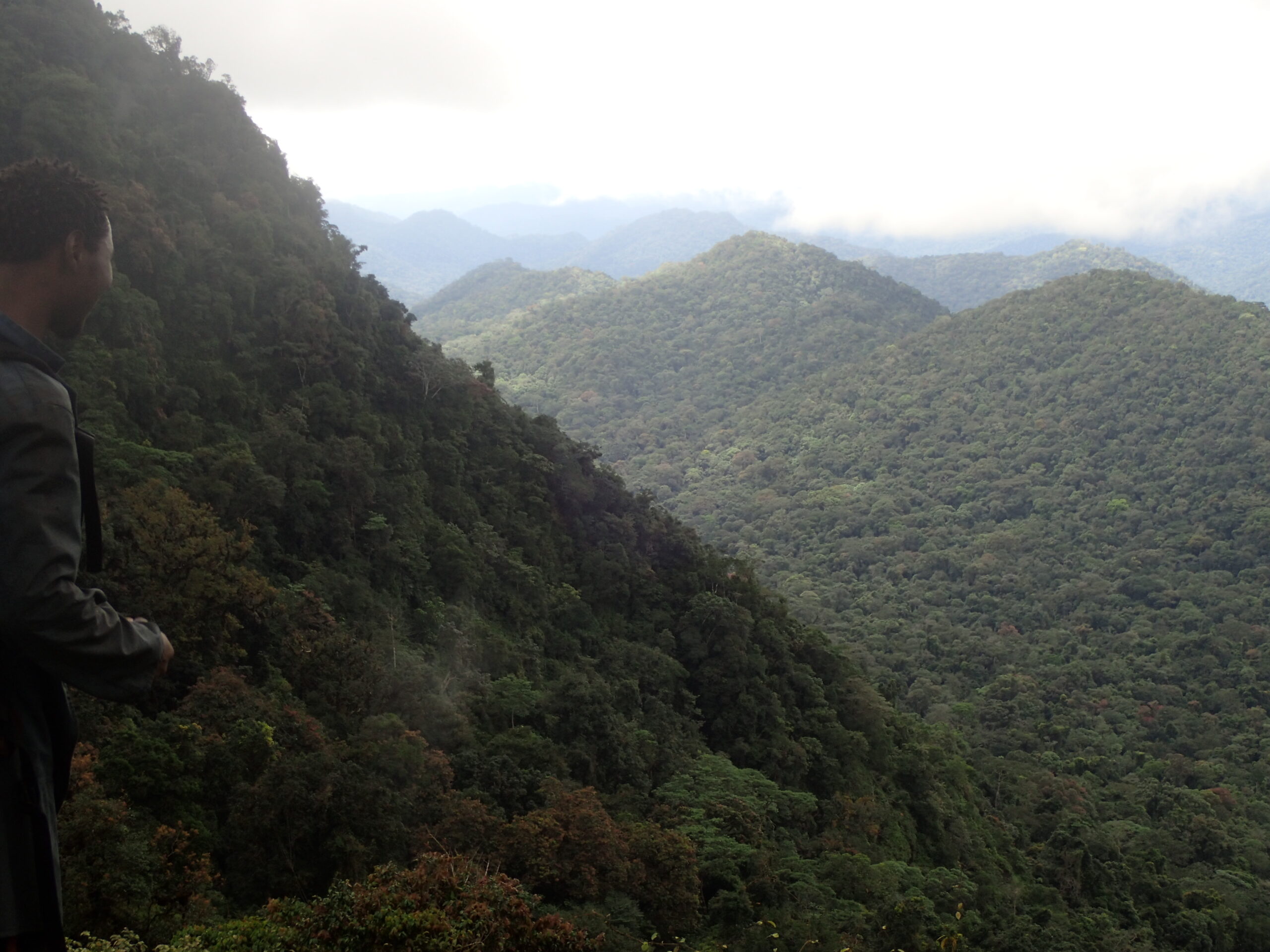
The Ebo Forest spans over 2,000 km² within the Yabassi Key Biodiversity Area (KBA) in southwestern Cameroon. Our work in Ebo was built upon the ‘discovery’ of gorillas in Ebo back in 2002, at least to the outside world. This small population holds critical conservation significance, not least since it lies geographically between the ranges of the Cross River gorilla (Cameroon-Nigeria border) and the western lowland gorillas of the Congo Basin. Further exploration revealed an important population of chimpanzees, with a unique tool use repertoire, who both dip for termites and crack nuts using stone and wooden hammers.
Mosaic of Human Use and Forest
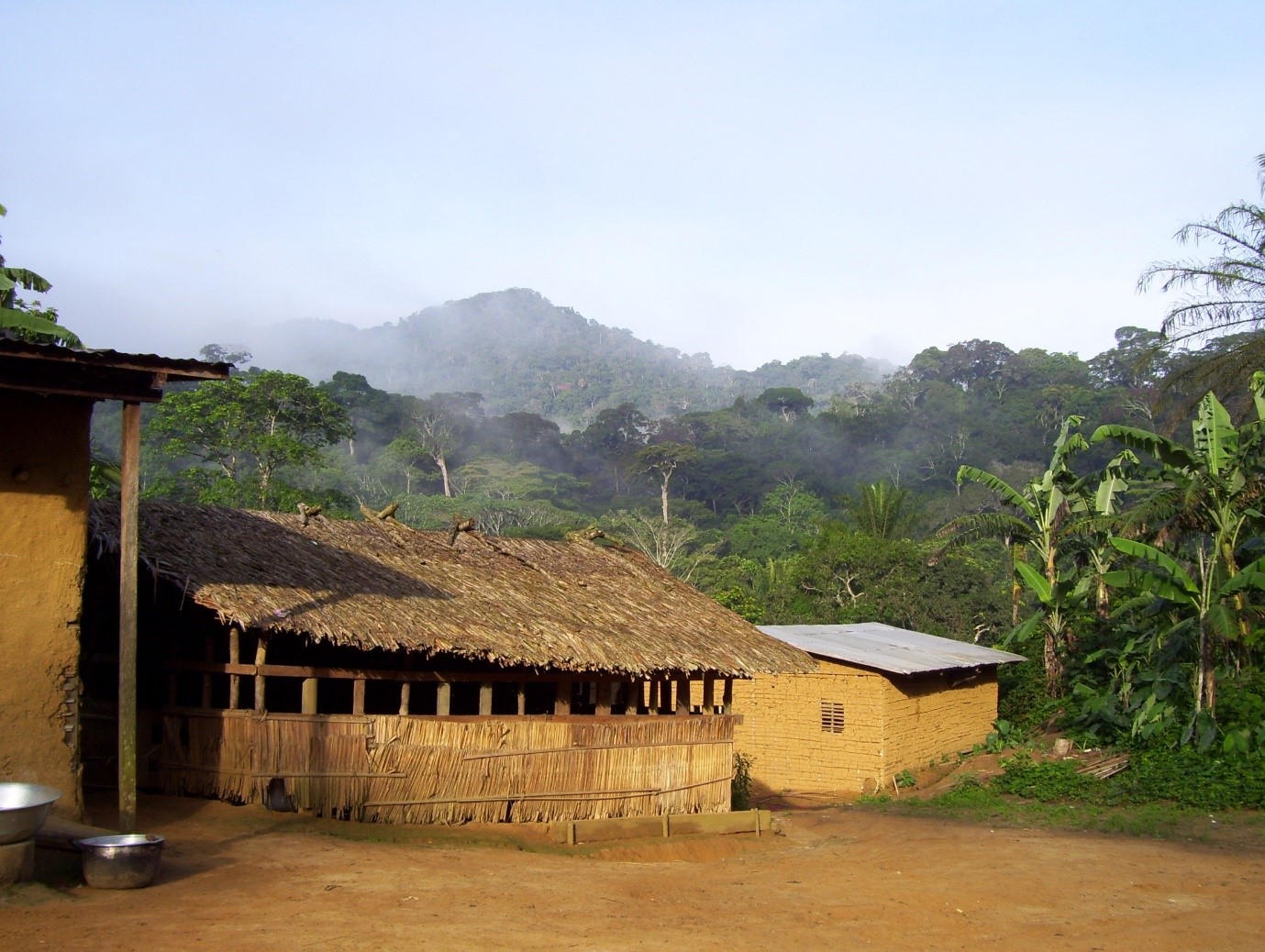
But the Ebo forest is also surrounded by more than 40 human communities, many of which depend deeply on the forest for their subsistence. Subsistence and commercial bushmeat hunting, as well as logging, are the main threats to biodiversity in the landscape. Ebo’s proximity to Douala, one of Cameroon’s largest cities, exacerbates these pressures.
Adopting the Standards
Having worked in the Ebo landscape since 2002, we had already established biodiversity monitoring and community-based conservation initiatives. Therefore, starting in 2023 we began our Conservation Standards journey retroactively, but this proved advantageous. We entered the process with deep understanding of the situation in the landscape, and with ongoing conservation actions, though we had not really developed a formal theory of change behind our initiatives.
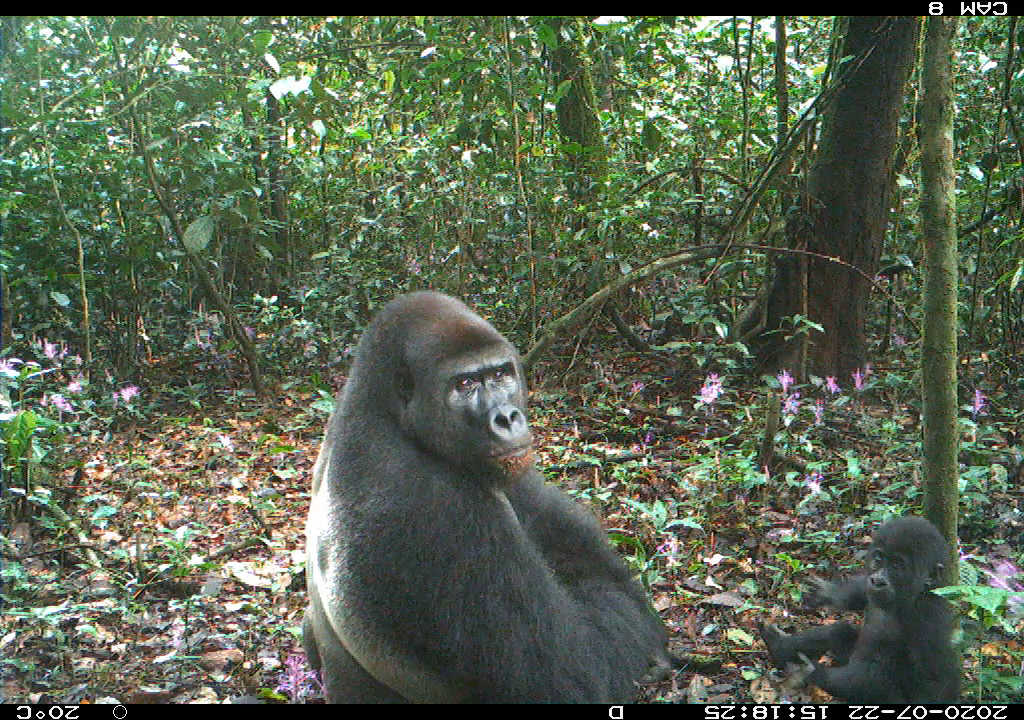
Planning
The Conservation Standards encouraged us to rethink our interventions, and align them with a clear vision. This process helped the project sharpen its focus to a narrower set of biodiversity targets to maximize the impact of our limited resources. To select targets we weighed aspects such as cultural significance, ability to act as ‘umbrella species’, and to be tracked over time. Eventually, we focused on great apes, other primates, red river hogs, and forest cover itself, aiming to maintain these targets at stable levels across the landscape.
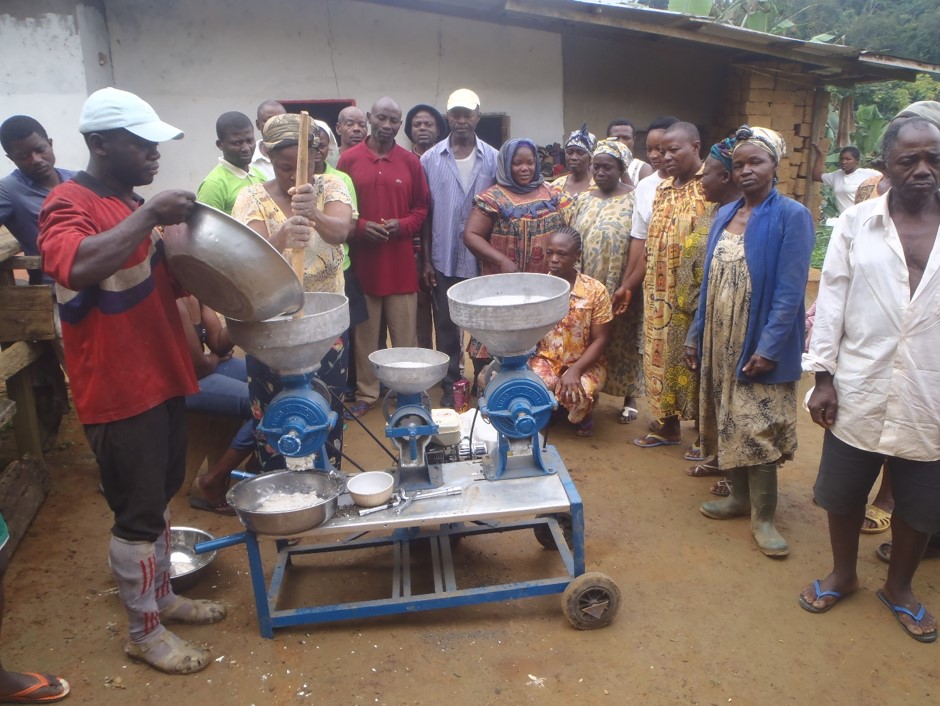
Implementation
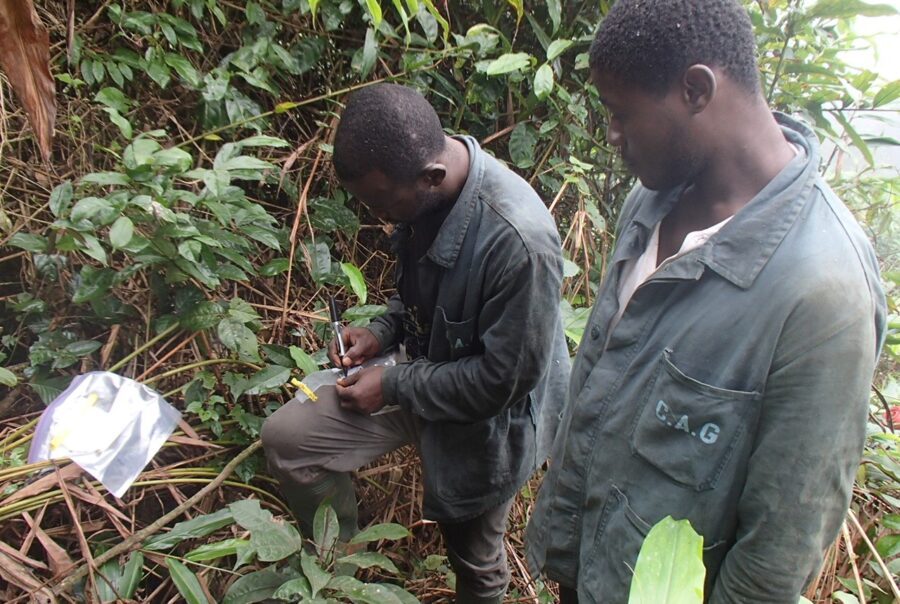
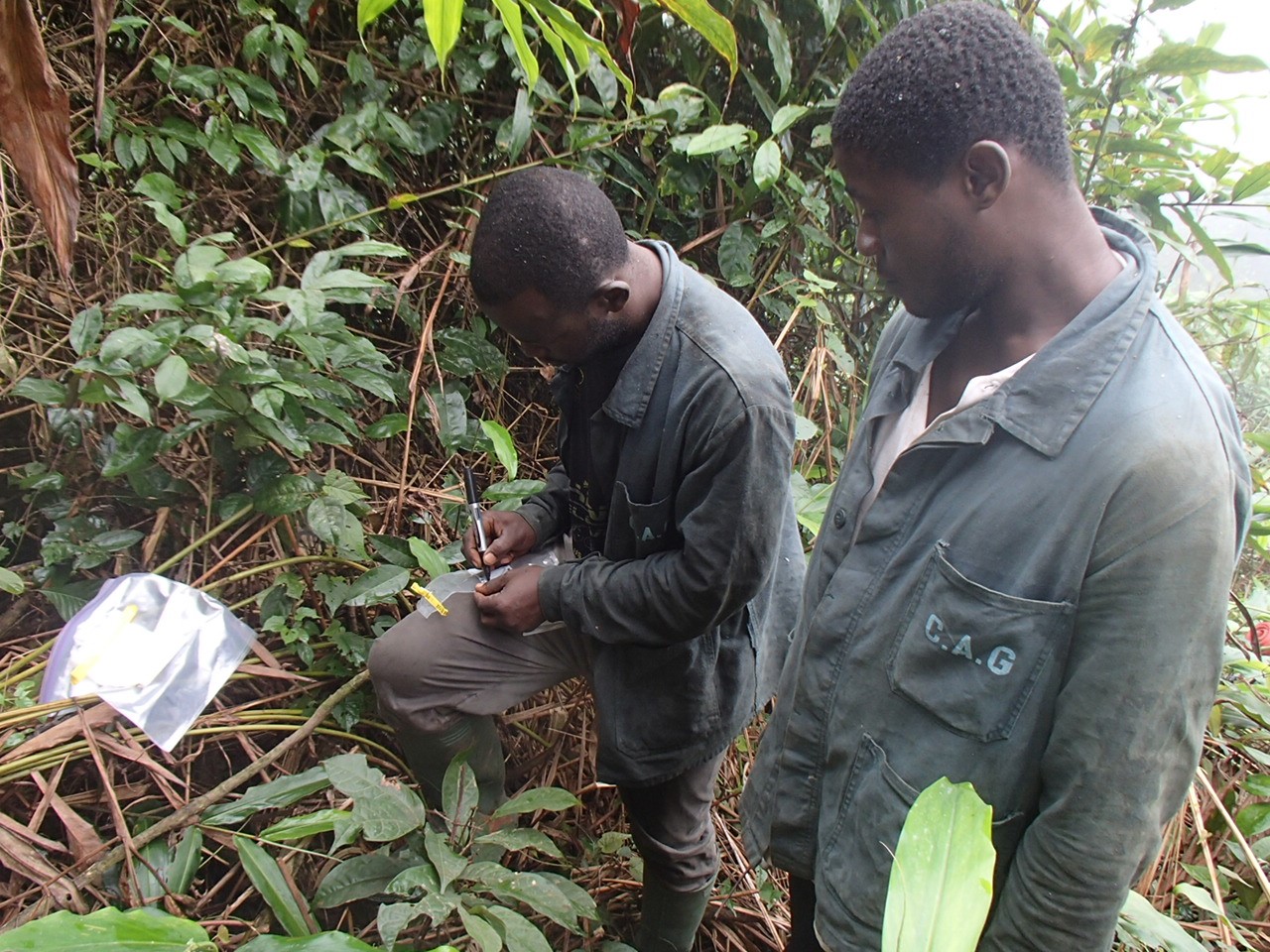
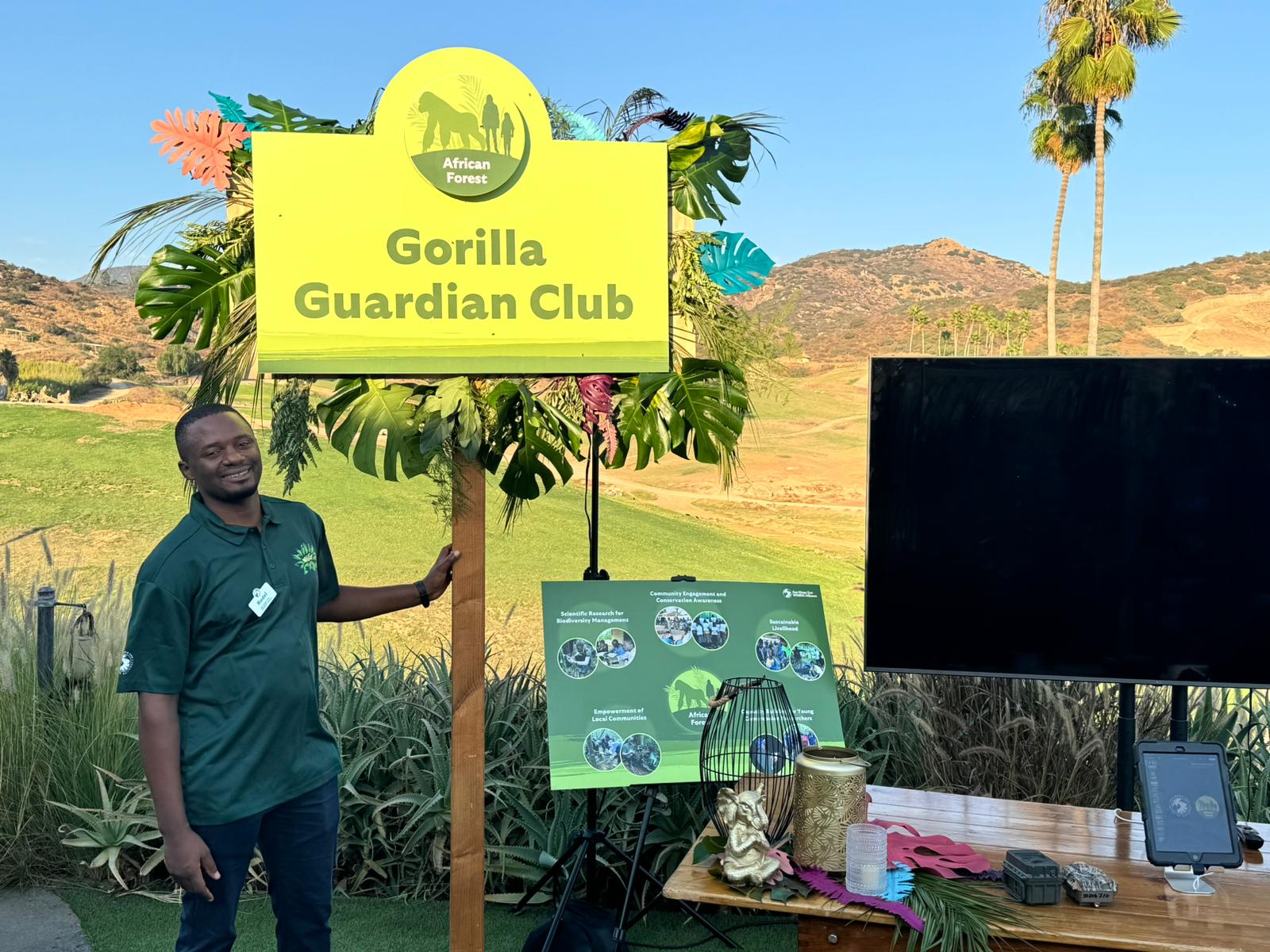
Our first attempt to apply the Standards focused on the voluntary ‘Clubs des Amis des Gorillas’ (CAGs; Gorilla Guardian Clubs). The three CAGs are based in each of the three villages closest to the small Ebo gorilla population, which we helped establish in 2012 as a way to encourage local communities to develop stewardship for the forest surrounding their villages by monitoring its wildlife and the threats to the integrity of the forest. Their work covers three components – forest monitoring, conservation outreach and livelihood improvement. We support small, sustainable CAG-led initiatives to enhance daily life in communities lacking basic infrastructure. For example, cassava mills have transformed women’s time budgets, freeing hours previously spent on manual processing. These efforts reflect our growing integration of human well-being into the Conservation Standards framework.
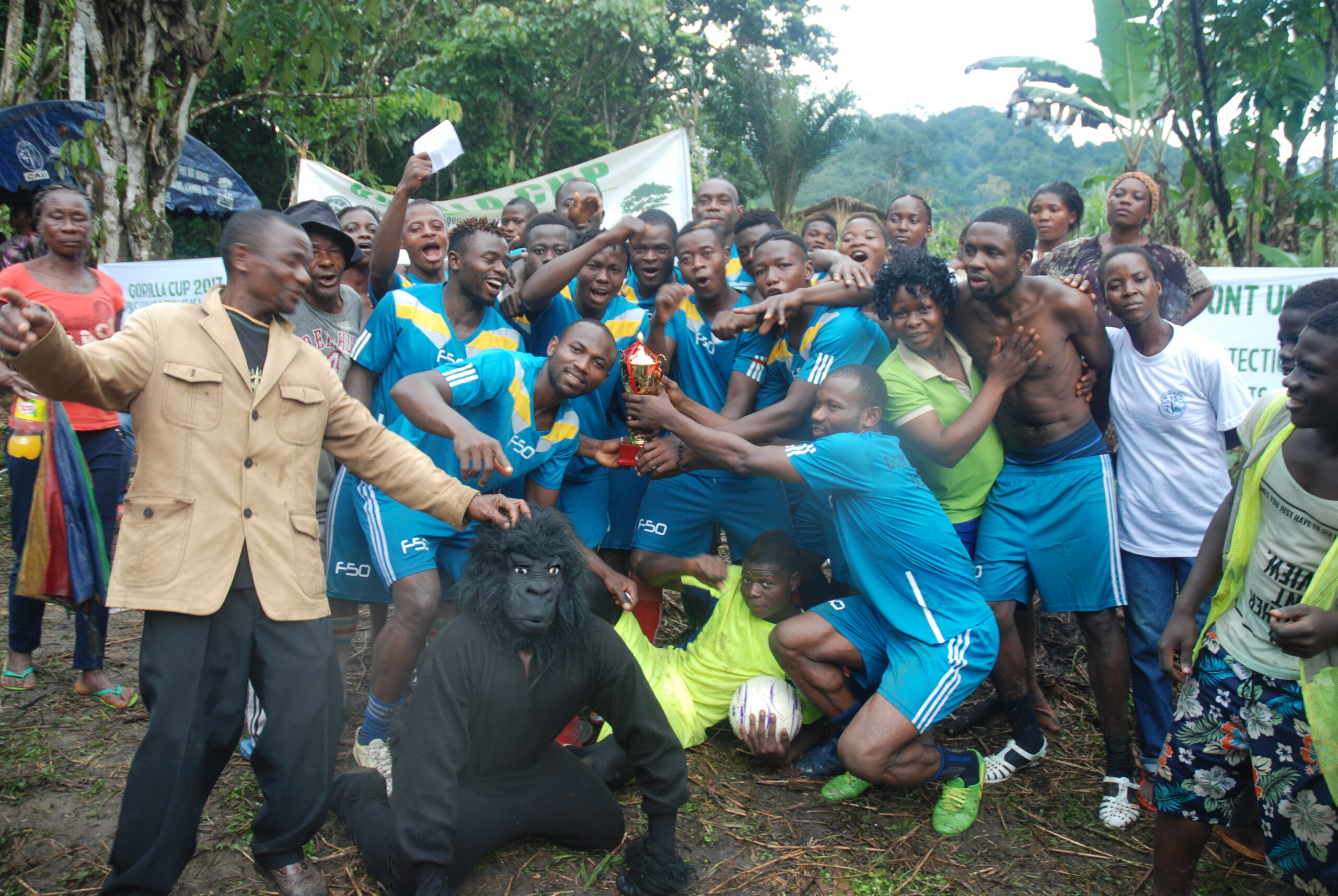
Outreach for Conservation
Our outreach strategy includes formal and informal ways of illustrating the benefits of conservation wildlife and landscape, providing information to all members of society from illiterate children to elderly villages who do not read or speak French. It includes newsletters, posters, weekly radio broadcasts and a small Cameroon-centered social media presence. Over the years, outreach activities have burgeoned such that the annual soccer tournament is now accompanied by film shows, singing competitions and storytelling events and attended by government officials, all of which is now tracked within Miradi, helping us visualize progress and refine strategies.
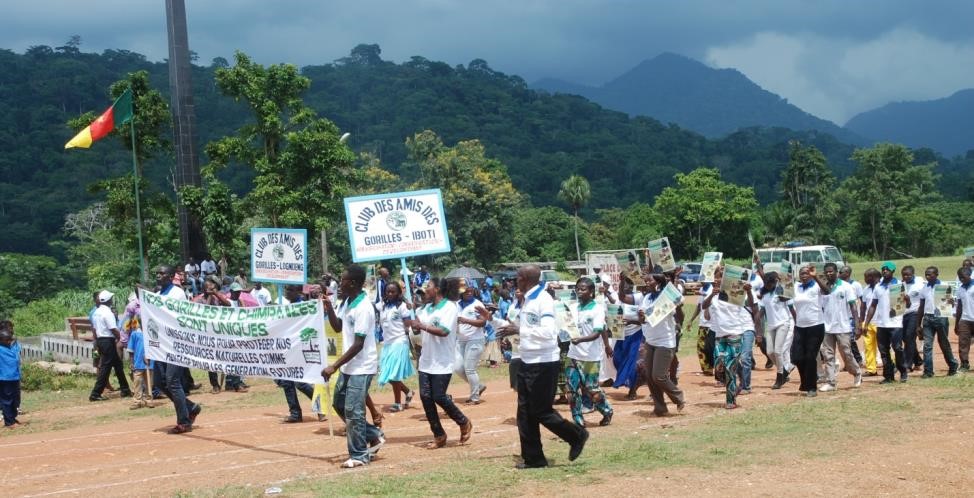
Community Pride
Ultimately, we believe that reinforcing individual and community-felt pride and dignity in the continued existence of the Ebo forest, the Ebo gorillas, and the ability of the CAGs to actively manage the future of their forest is key to our success.
Analyzing and adapting
We accompany the CAGs in conducting monthly foot patrols along predetermined paths within the gorilla habitat, and through the provision of camera traps. Although supporting the CAGs was initially conceived as a way of empowering local communities in forest monitoring, the resulting data also serve as vital indicators for tracking threat reduction results and the status of conservation targets. Each month, CAG members share monitoring results with their village members, enabling collective decision-making to adaptively manage their conservation efforts.
Sharing
Although we feel like we are still in the early stages of our CS learning journey, it has already become a critical part of project design, and increasingly a tool we are using to share our work with others, in Ebo, in Cameroon and internationally. The feedback has been encouraging, and we are looking forwards to sharing the lessons learnt with the broader conservation community.
“The Conservation Standards helped us express our conservation targets and ultimately our conservation interventions more precisely. It encouraged us to establish quantitative measures in terms of our factors, ultimately enabling both tracking of our progress but also our ability to share details of our work with partners in Cameroon and overseas. We believe that with time, the framework will greatly aid in the smooth day-to-day running of our project, as well as our resilience to future challenges.” – Ebo Forest Team
Learn more by visiting…
