
Through storytelling, we share ideas, ignite curiosity, and build meaningful connections. Photography, in particular, offers a powerful and accessible way to tell these stories, using visuals to engage audiences and bring conservation work to life.
The 2025 competition spotlighted conservation efforts from around the world, highlighting projects that use compelling photography to tell their stories and demonstrate the application of the Conservation Standards. Our goal is to inspire organizations and individuals who are already using the Standards, or who are exploring how they might apply them, to communicate their impact more effectively.
Explore the three winning photo stories from this year’s competition and discover how visual storytelling is helping drive meaningful conservation outcomes.
2025 Competition Winners
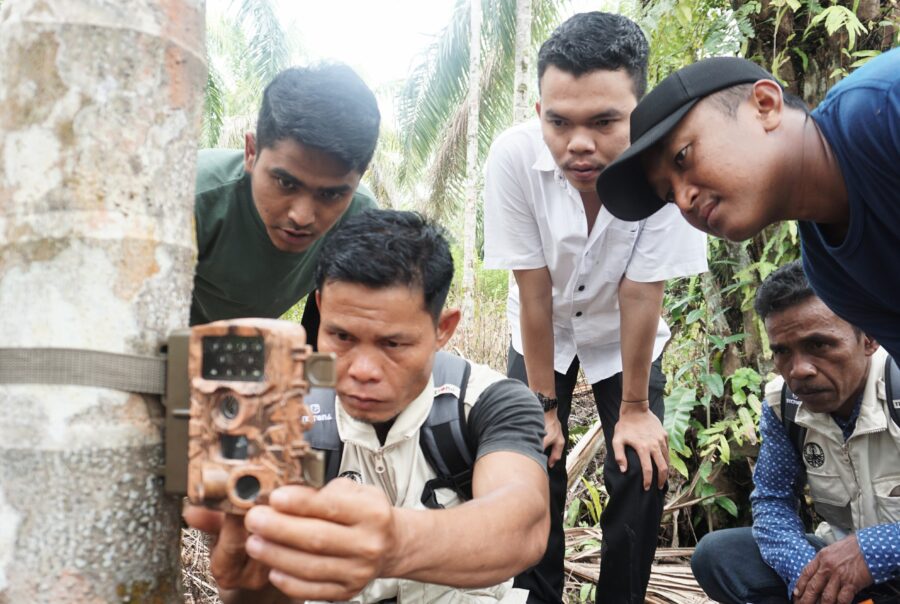
Tracing the Tiger’s Path | SINTAS Indonesia Foundation
1st place in the competition. Guided by the Conservation Standards, this project blends science, technology, and community partnership in West Sumatra to protect the critically endangered Sumatran tiger by reconnecting fragmented habitats, reducing human–wildlife conflict, and building a shared future where both people and tigers can thrive.
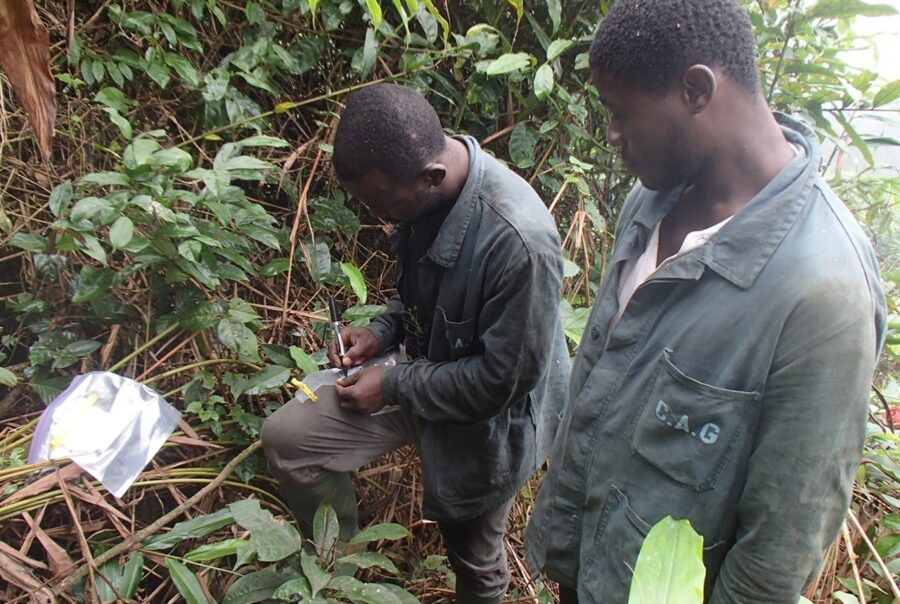
Guardians of the Ebo Forest | San Diego Zoo Wildlife Alliance
2nd place in the competition. Using the Conservation Standards, this long-term project in Cameroon’s Ebo Forest unites community-led stewardship, biodiversity monitoring, and adaptive management to protect great apes and forest ecosystems while strengthening local livelihoods and pride in conserving a globally significant landscape.
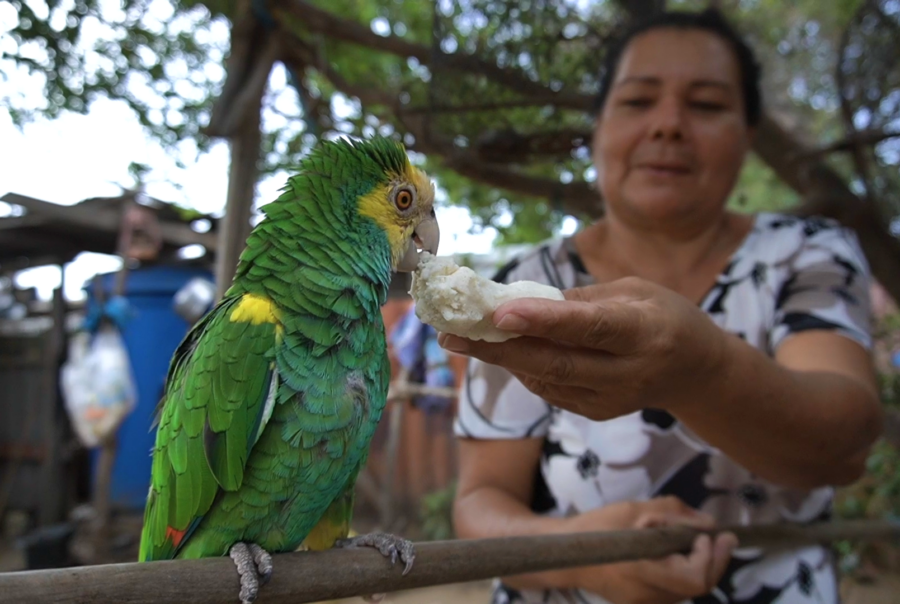
Preserving the Yellow-shouldered Amazon | Provita
3rd place in the competition. This project uses the Conservation Standards to protect the Yellow-shouldered Amazon in Venezuela by addressing illegal pet trade demand through community-designed behavior change strategies, particularly engaging women and families, while applying adaptive management, monitoring poaching outcomes, and sharing lessons learned.
Honorable Mentions.
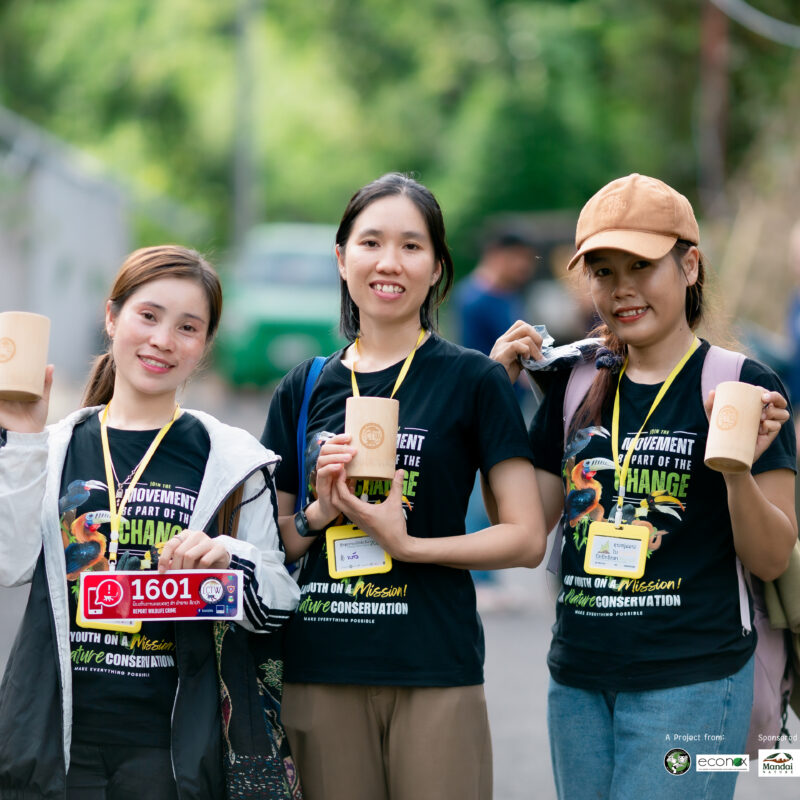
Lao Youth on a Mission for Nature Conservation | Association Anoulak
Recognizing that effective biodiversity conservation depends on people, this program empowers young Lao nationals with the skills, knowledge, and inspiration needed to pursue careers in conservation. Guided by the Conservation Standards, the intensive two-week initiative has already helped launch conservation careers, strengthen local capacity, and build a growing community of youth ready to protect Laos’s rich biodiversity.
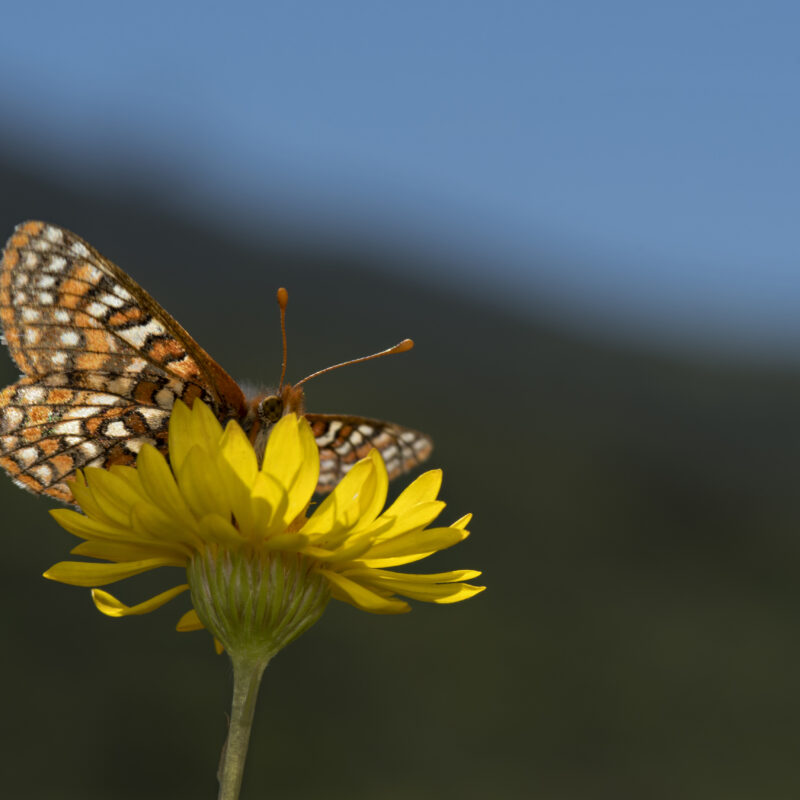
Rebuilding Connections: Quino Checkerspot Butterfly Recovery in Southern California | San Diego Zoo Wildlife Alliance
Using science-based rearing, habitat restoration, and adaptive management guided by the Conservation Standards, partners are working to restore a functional metapopulation of the endangered quino checkerspot butterfly across fragmented shrubland habitats in Southern California.
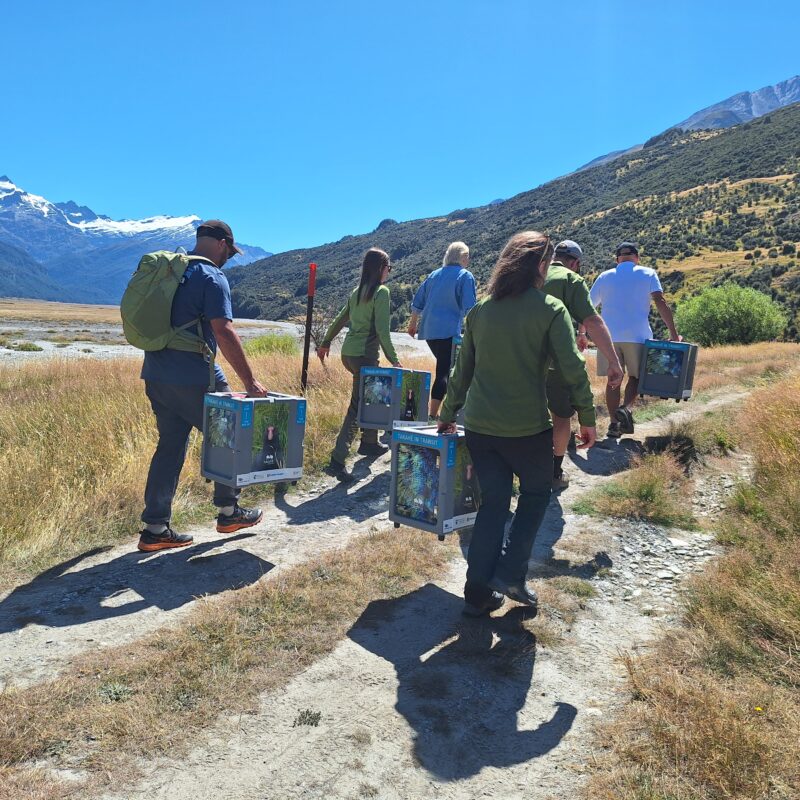
Community-Led Conservation in Otago’s Upper Lakes | Otago Regional Council
In Aotearoa New Zealand’s Upper Lakes, mana whenua, conservation groups, farmers, and local authorities came together through the Conservation Standards to co-create a catchment action plan grounded in shared values, mātauraka Māori, and community-led action. Guided by the principle that people are at the heart of conservation, the plan aligns ongoing efforts to protect pristine lakes, restore native ecosystems, and address landscape-scale threats while building a resilient, adaptive future for both nature and community.
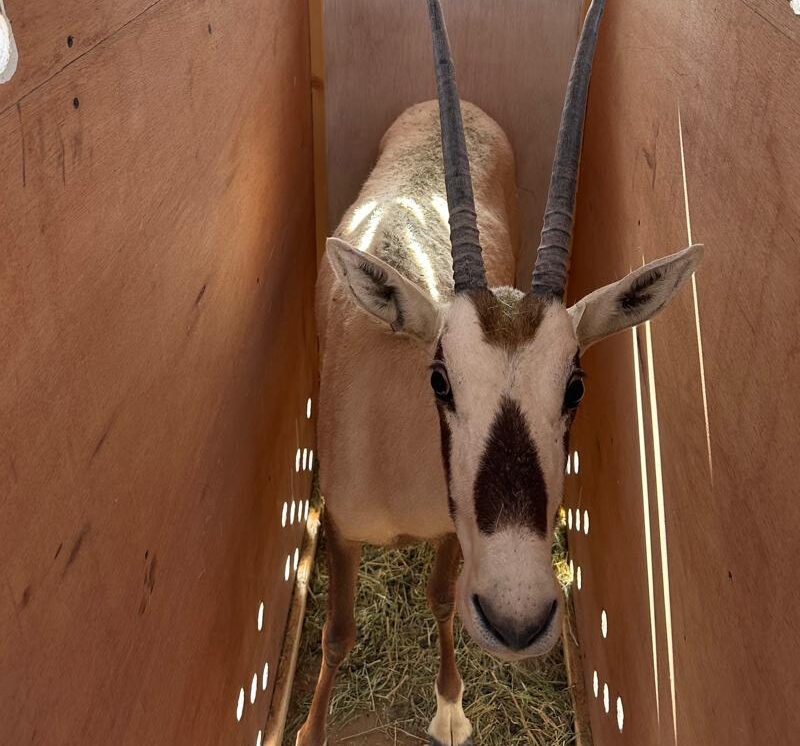
Reintroducing the Arabian Oryx | Bilal Kabeer
Reintroductions are not easy, and Bilal Kabeer used technology, strategy, and conservation insight to release several species of gazelle and oryx into the Imam Turki Bin Abdullah Royal Reserve.
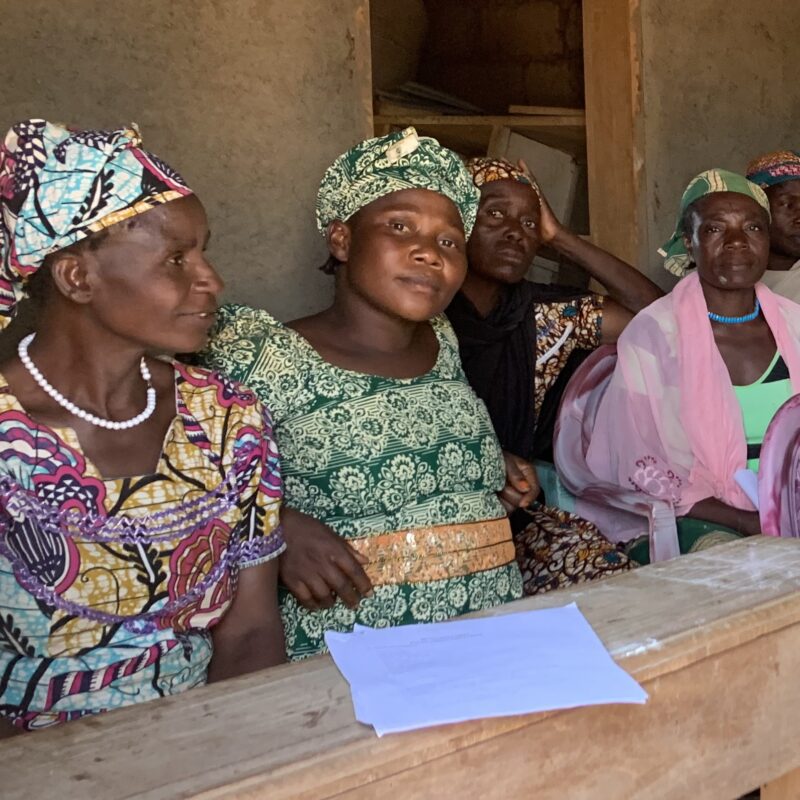
Protecting Chimpanzees in Cameroon | Community Conservation, Community-Based Biosynergy Management, and the Community of Somié
This project has built strong community support for wildlife conservation, established a village forest management committee as the first step toward creating a community forest, and is now advancing toward a feasibility study and a government- and community-approved Simple Management Plan to protect chimpanzees and their habitat.
More about the photo story competition.
Members of the Conservation Measures Partnership and other practitioners of the Conservation Standards were challenged to submit a visual story through a series of no more than 10 photographs illustrating their experience using the Conservation Standards to address a challenge in their project areas. Similar to past Conservation Measures Partnership competitions, the photo story competition called for projects that feature the Standards as a central part of their conservation strategy. The competition was judged by a group of volunteer judges who come from varying backgrounds including storytelling, photography, conservation, and data science. The winners of this competition were judged based on the creativity of their photo story, the portrayal of the Conservation Standards in their project, the competitors ability to showcase a project that has gone full cycle, and the integration of healthy communities as a part of the solution.
