
Provita NGO is a pioneering Venezuelan environmental organization dedicated to long‑term, community‑centered solutions for conserving threatened wildlife and habitats across Venezuela and the Caribbean region. For more than three decades, Provita’s work has focused on preventing biodiversity loss through evidence‑based planning, partnerships with local communities, and innovative field action that integrates scientific insight with traditional ecological knowledge.
One of Provita’s most impactful conservation efforts has been its Yellow‑shouldered Amazon (Amazona barbadensis) Conservation Program on Venezuela’s Macanao Peninsula. This vulnerable parrot species, once reduced to a few hundred individuals, has shown remarkable recovery through intensive nest protection, community‑led surveillance, and habitat stewardship coordinated by Provita and its network of EcoGuardians — trained local conservation partners who patrol key breeding sites and support year‑round monitoring.
Provita applies adaptive management, using clear objectives, iterative assessment, and responsive strategy adjustment to guide decision‑making and track progress toward species recovery goals. Through annual population censuses, nest monitoring, habitat restoration, environmental education, and behavior‑change outreach, Provita strengthens both ecological resilience and local capacity for stewardship.
This multifaceted approach has helped increase the wild population of Yellow‑shouldered Amazons, fostered community stewardship, and informed the broader regional conservation agenda, including collaborative action plans with partner organizations across the Caribbean.
Their behavior change campaign to reduce demand for the Yellow-headed Parrot, Cielo Verde, utilized the Conservation Standards.
Provita Conservation’s Photo Story
Our Conservation Value
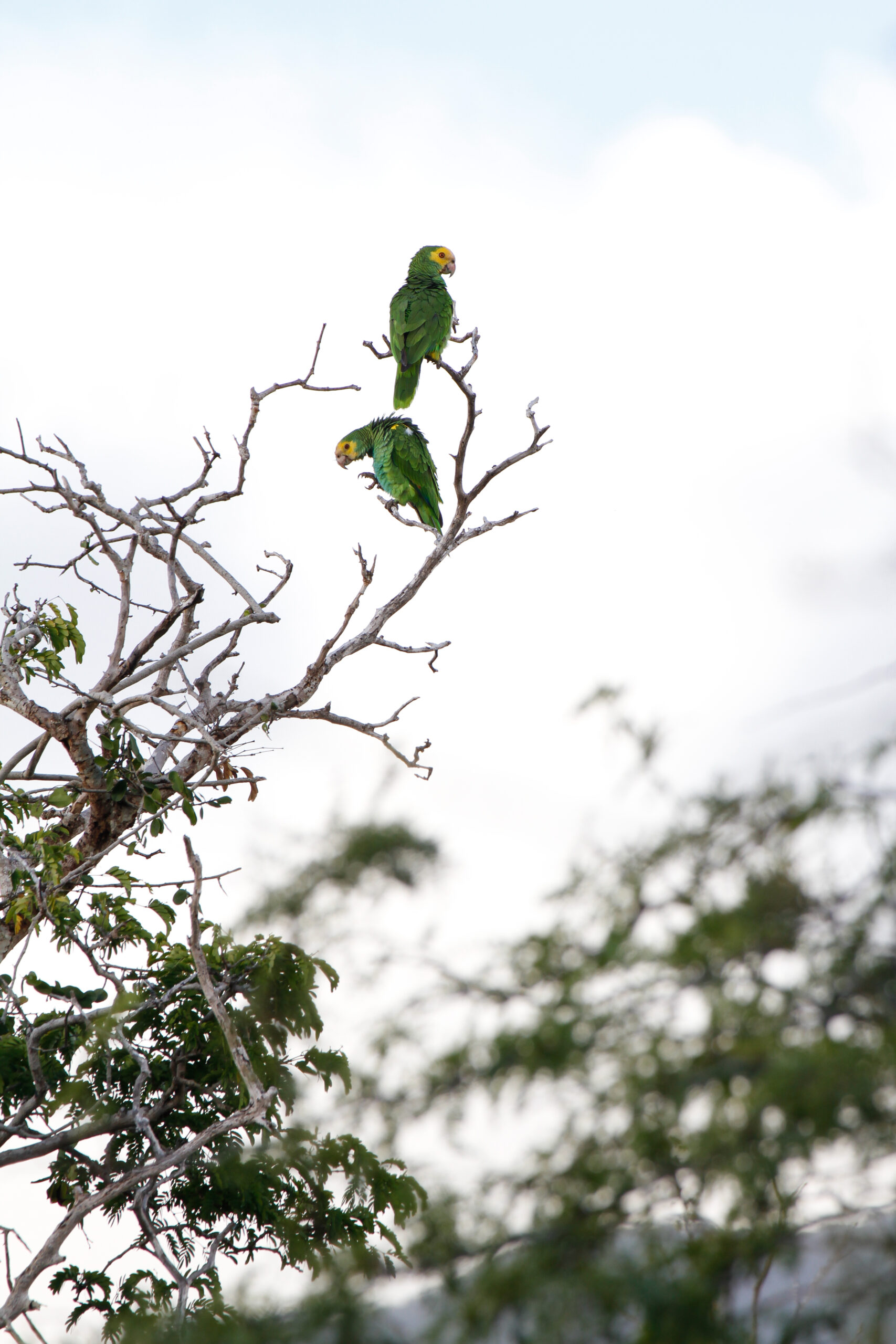
We focus our conservation work on an umbrella species, the Yellow-shouldered Amazon (YSA, Amazona barbadensis). Our scope includes the endangered tropical dry forest and the spiny shrublands of the Macanao Peninsula in Venezuela, a place they call home.
Illegal Wildlife Trafficking, a Major Threat
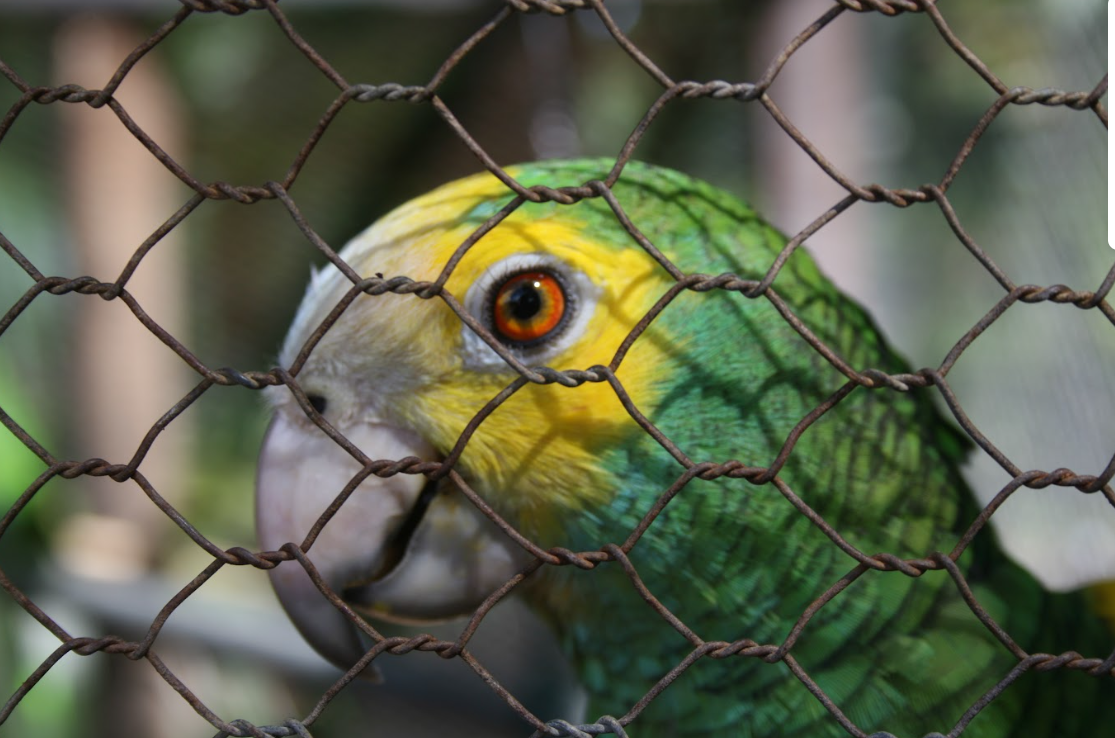
The situation model revealed the main driver for the indirect threat of keeping parrots as pets. Identifying this critical threat informed our conservation strategy; behavioral approaches were definitely one way to go about it.
Demand for the Pet Trade
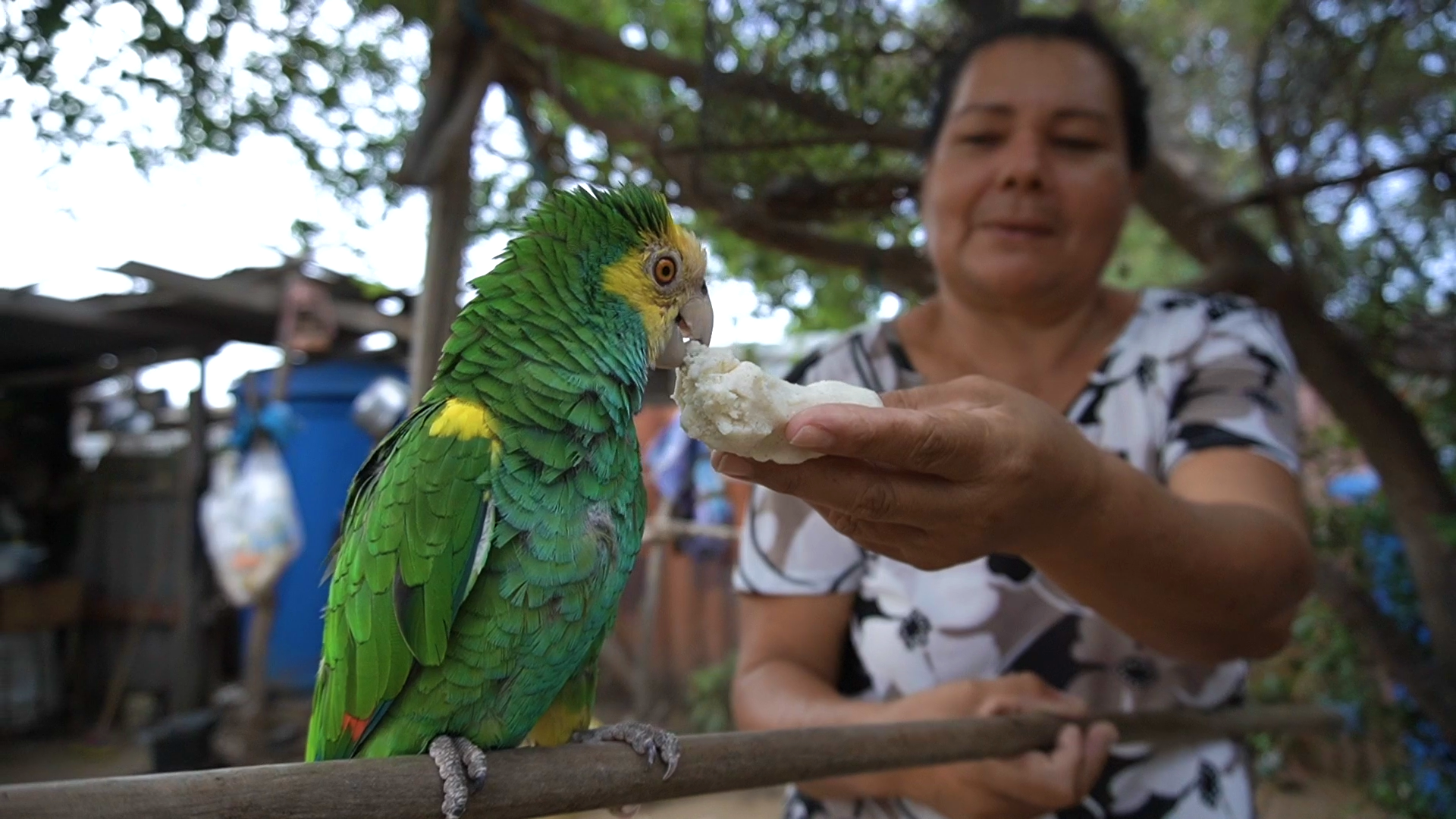
Yellow-shouldered Amazons are kept by local families as pets, being especially demanded by women in rural communities. Parrots become part of the family, a way to combat loneliness while men go on long fishing trips.
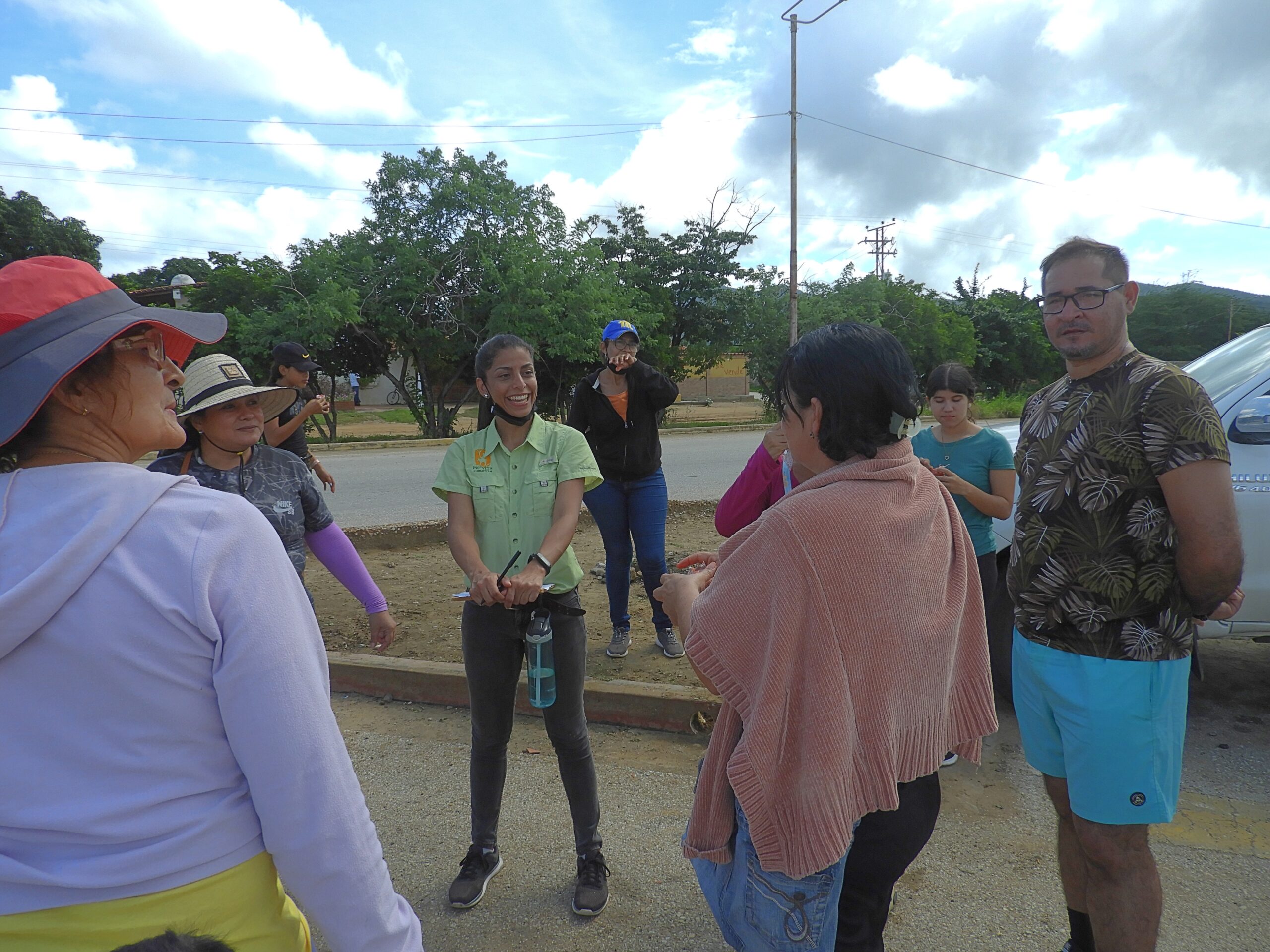
Active Participation of the Community
Engaging local stakeholders to codesign a well-sustained and realistic alternative behavior. This was a key planning step to develop our behavioral change campaign and operational plan.
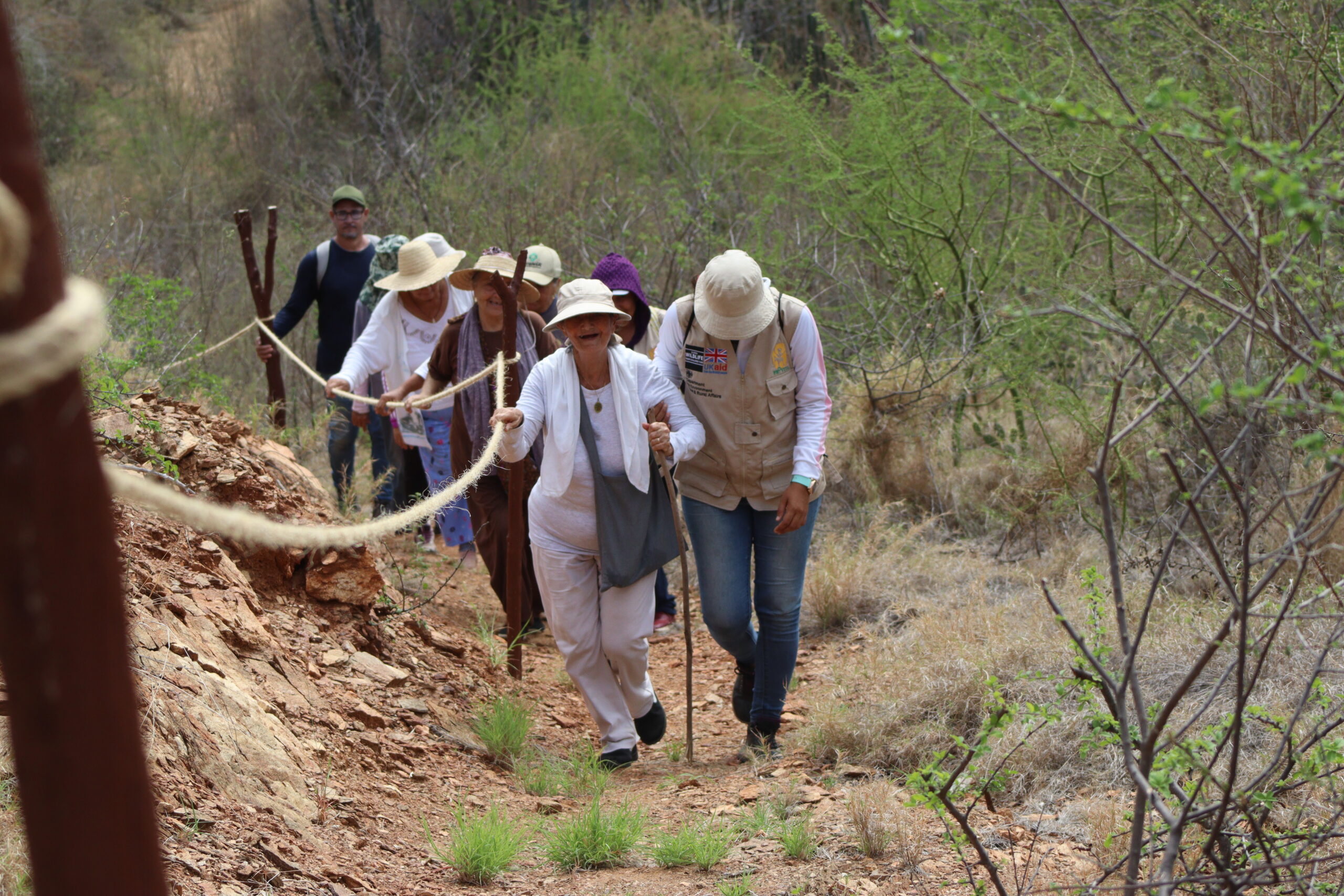
The Alternative Behavior
Women, the main parrot demandants, manifested their feelings of isolation, loneliness, and boredom. We offered the chance to enjoy wild parrots in nature while sharing gratifying moments with other community members.
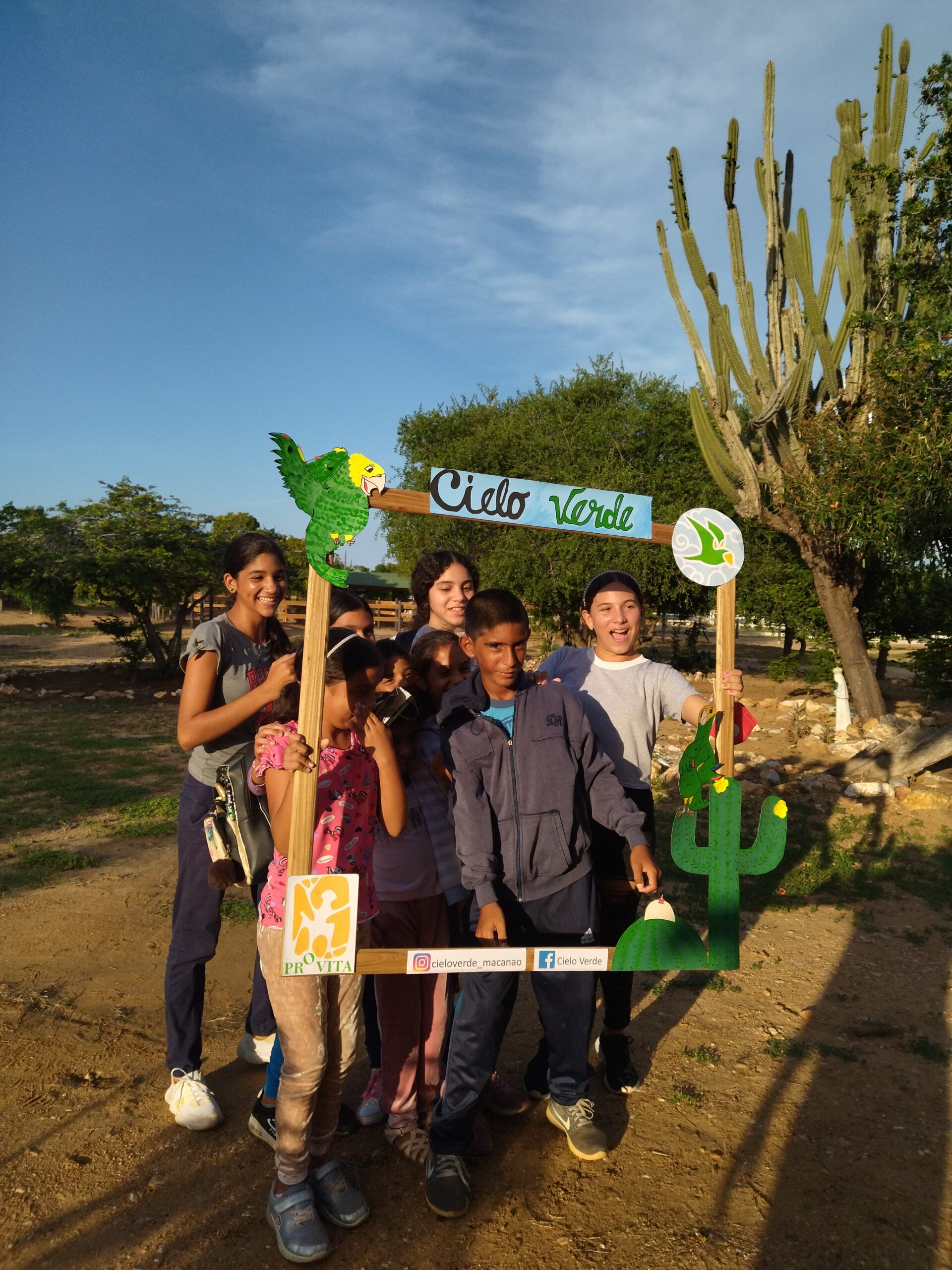
Family-friendly activities for inclusivity
This approach increased participation by lifting a barrier; women could go with their children despite being the family’s main caretakers. This allowed reaching and sensitizing the younger generations for sustainability.
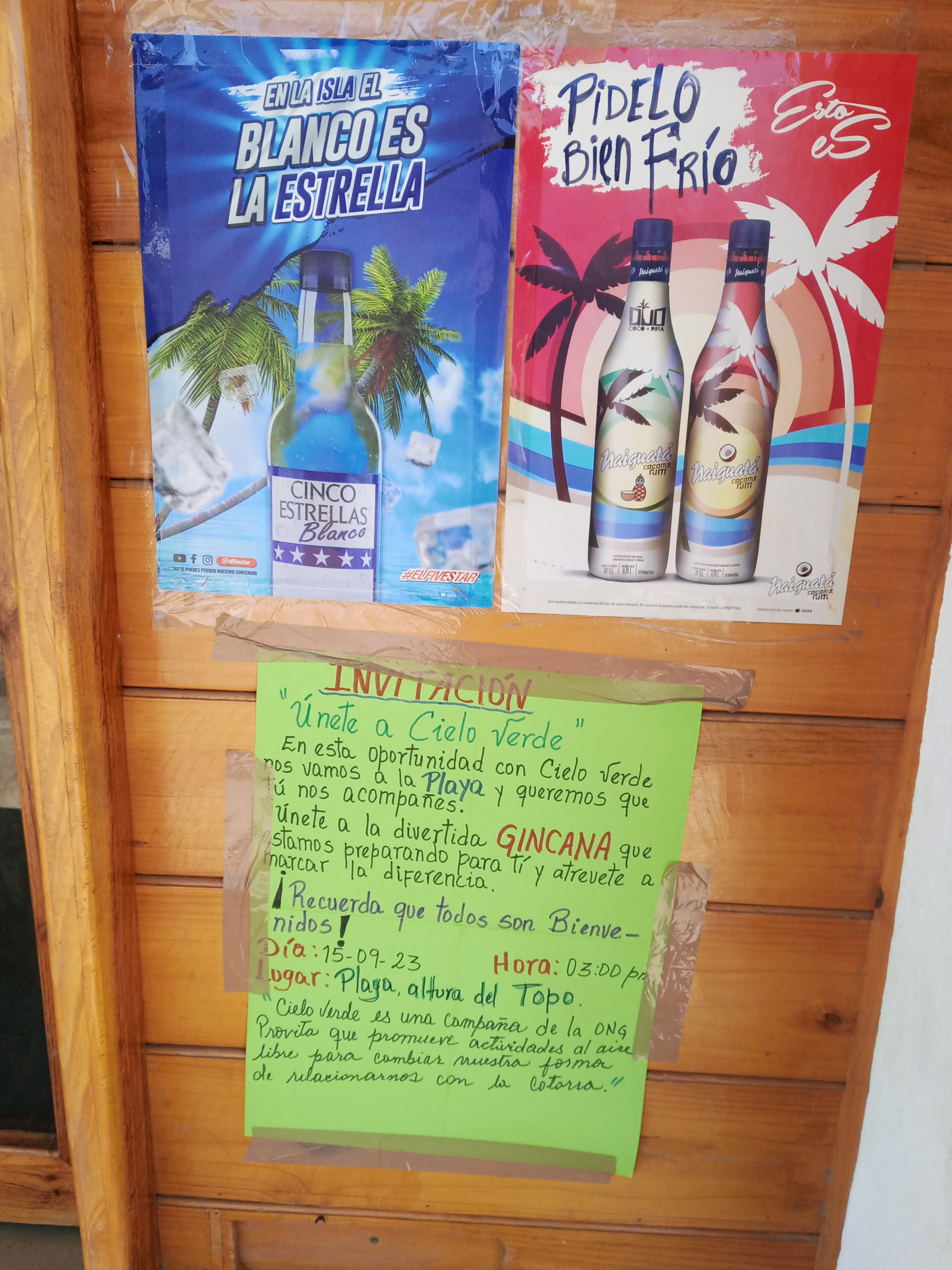
Adaptive Management in Action
By keeping records and analyzing our data regularly and systematically, we noticed a lower level of participation than expected. Something was not working about our communication strategies, maybe the message was not reaching enough people. We reviewed some core assumptions and decided to change the communication channel. We started using natural meeting places like the liquor and convenience stores to post invitation signs instead of social media.
Monitoring Project Results
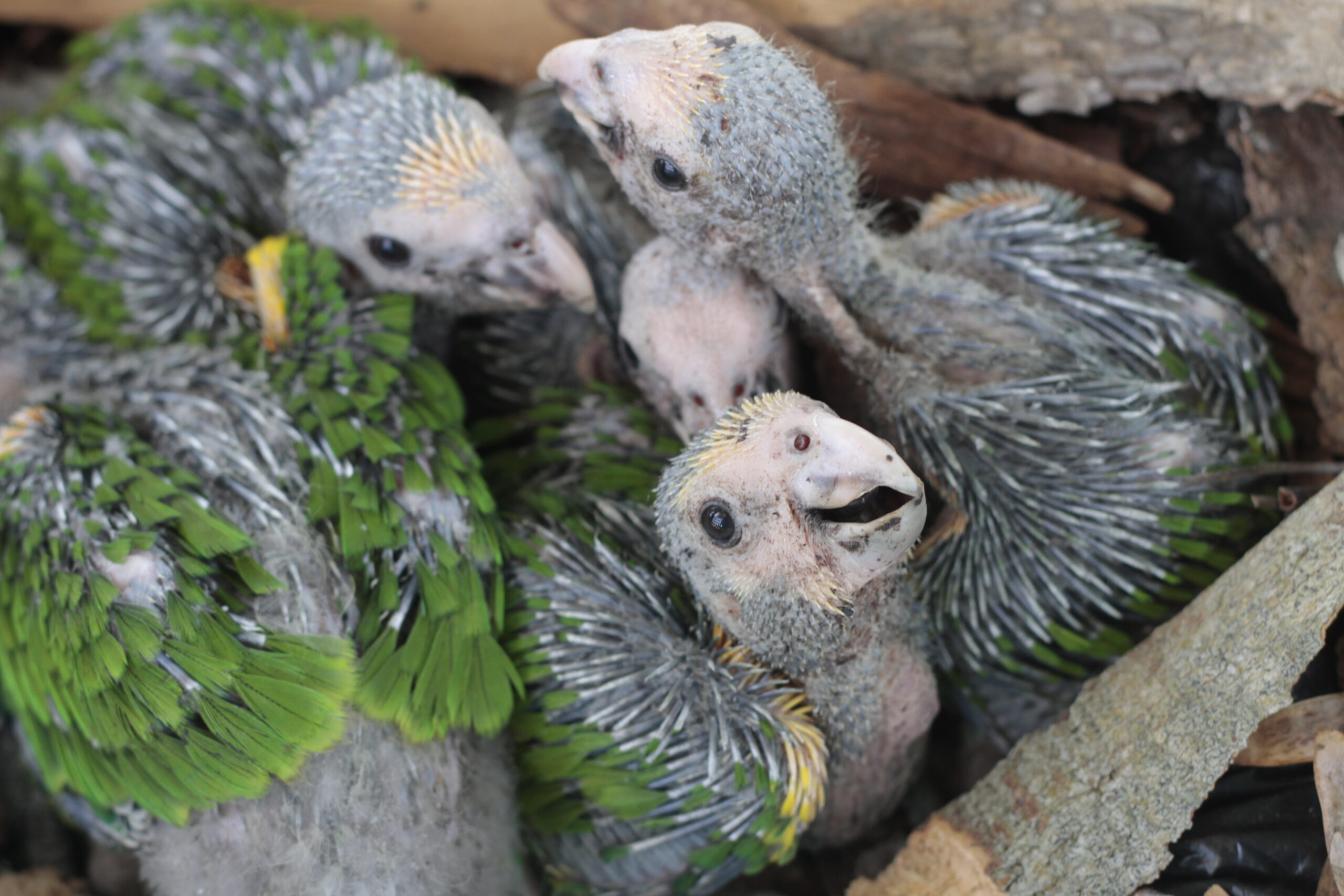
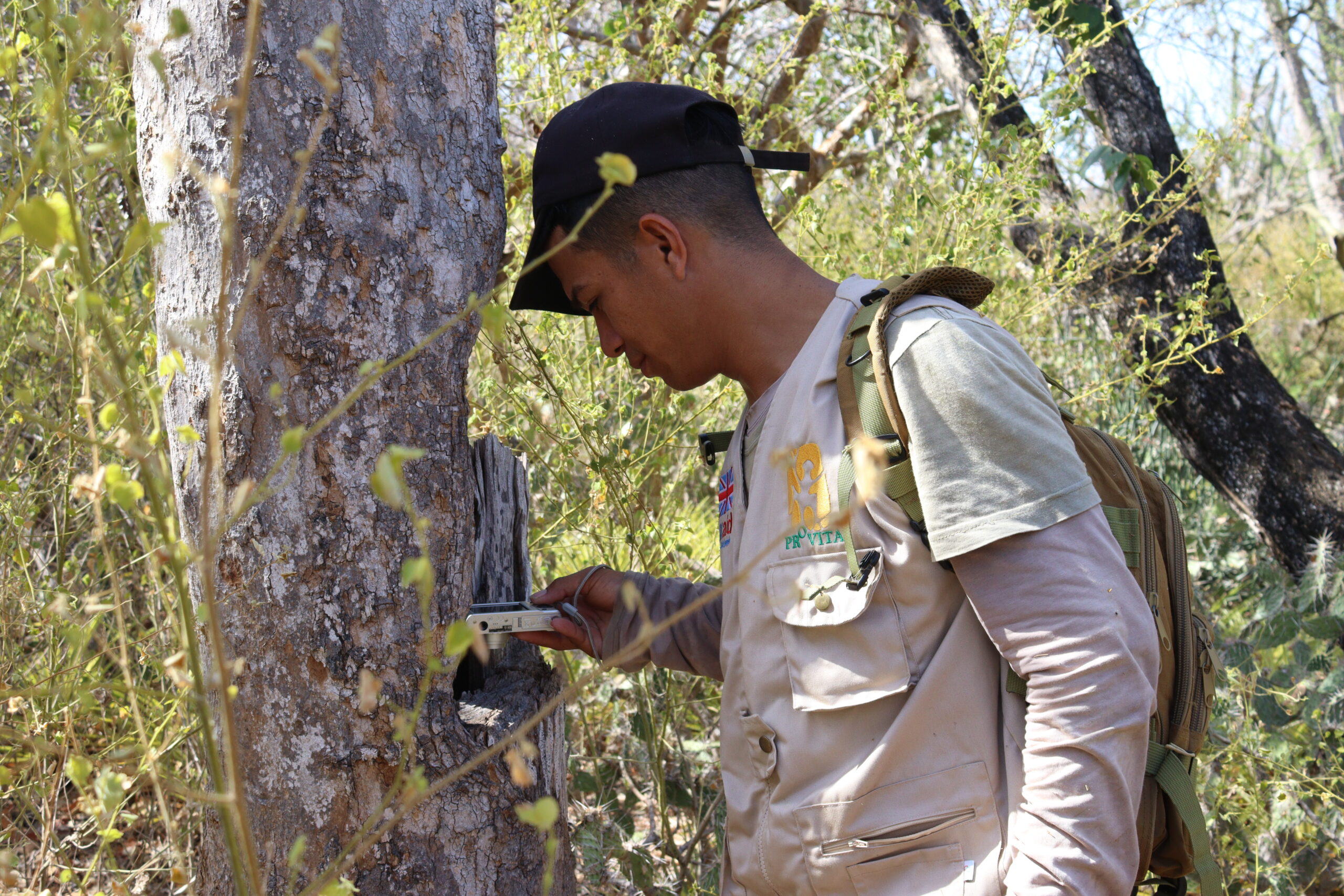
The extraction of chicks from nesting cavities is the standard parrot poaching method, and a decrease in its rate is a good indicator of project success. Checking these cavities allows us to monitor our results and determine the effectiveness of our conservation strategy.
Ringed Chicks are a Sign of Success
The project goal is to decrease the demand for Yellow-shouldered Amazons, aiming for a reduced poaching threat as a result of our conservation efforts.
Documenting and Sharing What We Learned
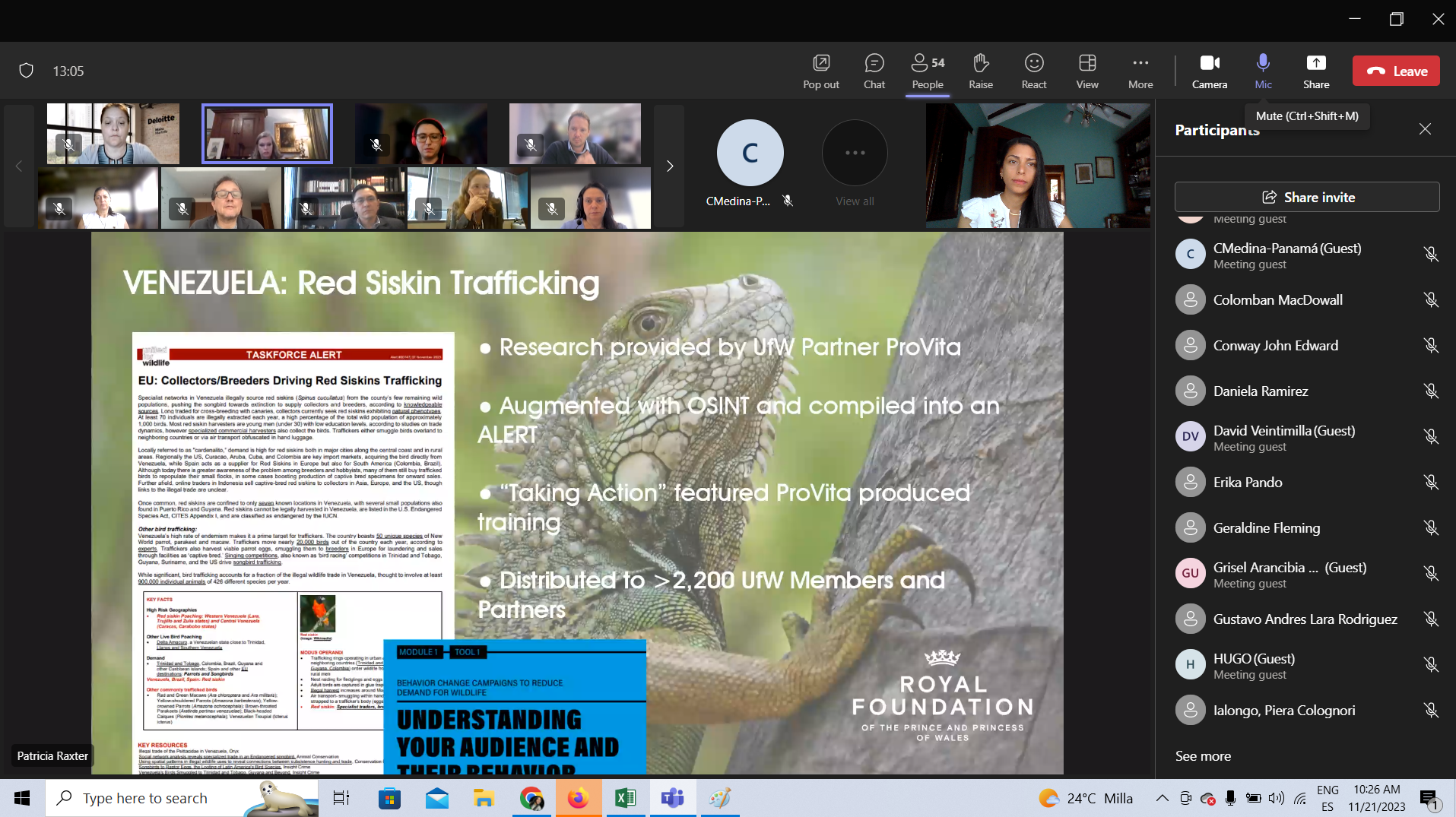
As an output of our project, we produced a toolkit on design, implementation and evaluation of behavioral change campaigns. This knowledge product has been well received by Latin American conservationists.
“The Conservation Standards are a framework that has allowed our work to be more organised and strategic. Thanks to them, we have achieved a clearer vision of the overall picture and the path to follow in our project, precisely identifying direct and indirect threats, such as the demand for parrots as pets, and defining evidence-based strategies. Likewise, they strengthen adaptive management in our behaviour change campaign, as they allow us to analyse the results, learn from experiences, and make timely adjustments, avoiding repeating what does not work and leaving behind ideas that, before implementation, seemed the best. In addition, they have facilitated a more effective integration of communities, by recognising and valuing their expectations, incorporating into our activities aspects that are socially and culturally relevant for them, which is essential to generate sustainable solutions.” – Provita NGO
