
COMET is a free, practitioner-focused repository of field-proven, cost-effective methods for monitoring conservation progress — grounded in both scientific and Indigenous ways of knowing. COMET addresses a key challenge in…
This website (behavior-cmp.org) aims to be an additional resource to support applying behavior change theory when going through the Conservation Standards cycle. The behavior change frameworks page provides a deep…
Enhancing Thinking and Working Politically (TWP) When Practicing the Conservation Standards at USAID This supplemental guide offers practical advice for thinking and working politically (TWP) when practicing the Conservation Standards…
Outdoor recreation planning & management in protected areas using the Conservation Standards is a product of collaboration between experts from protected area management authorities in Sweden and FOS Europe. The…
For over 20 years, organizations worldwide have been using and collaboratively developing a common language and set of guidelines and tools to address diverse conservation problems through the Conservation Standards...
In April 2016, a two day workshop to introduce the Open Standards for the Practice of Conservation to the Aleutian and Bering Sea Islands Landscape Conservation Cooperative (ABSI) was run...
This draft "Toolkit" provides a series of "recipes" for "lighter" Conservation Standards (CS) approaches to different scenarios that teams typically encounter. The recipes link to tip sheets that offer practical ideas...
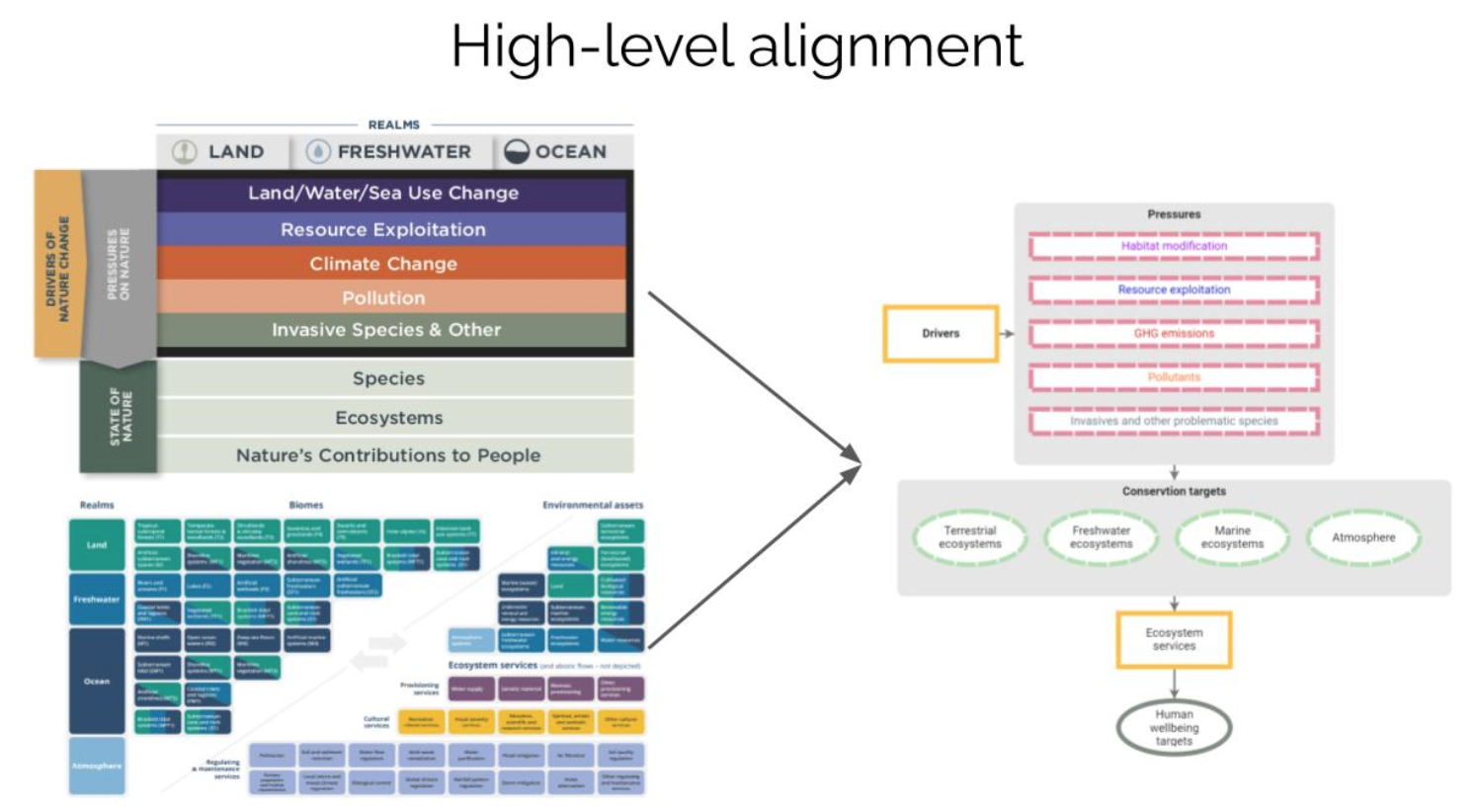
Nature-based Solutions (NbS) is an approach to addressing environmental and development challenges through protecting, maintaining, and enhancing ecosystem services. As part of CMP's Collaborative Learning Initiatives, Australian NGO TierraMar researched...
CapeNature, the conservation authority for the Western Cape Province, South Africa, initiated a process in 2017 to strengthen adaptive management of the protected areas under its management. Management plans strive...
CMP and CCNet members have updated the basic presentations supporting the Conservation Standards Steps 1-2. These presentations use high-quality photographs and reduced text on slides, and they include detailed presenters’...
Not Display sidebar-1
 This work is licensed under a Creative Commons Attribution-ShareAlike 4.0 International License. Site design Evermaven
Translate »